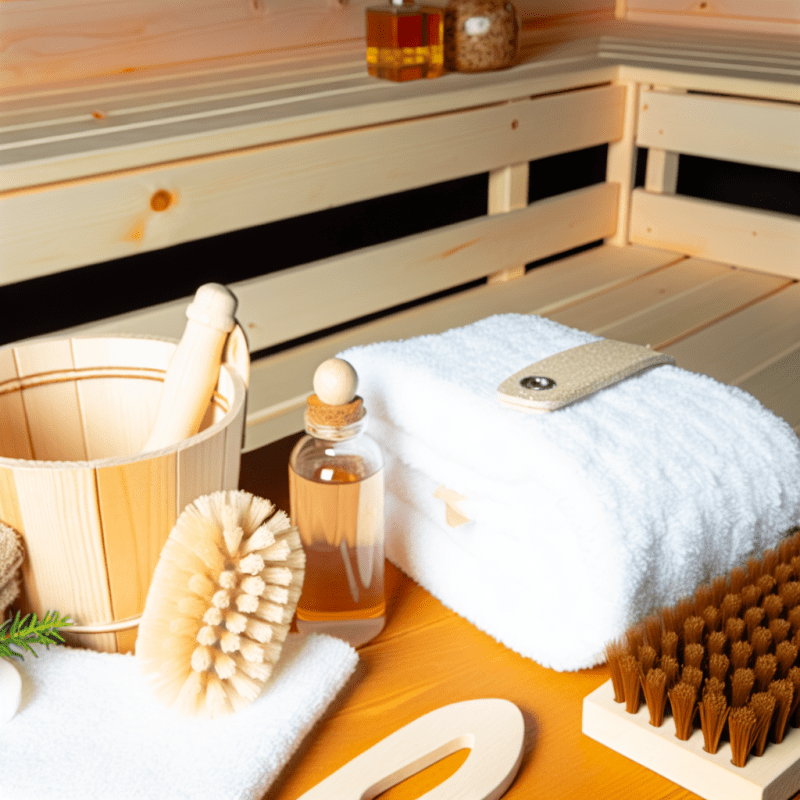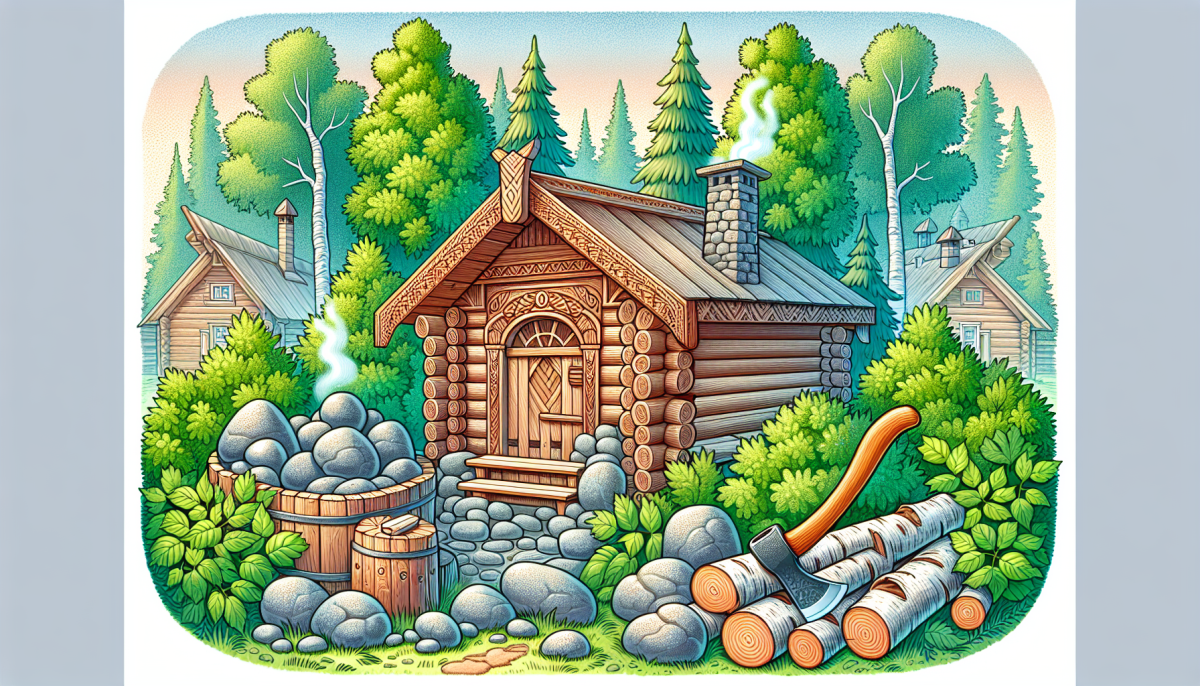
Saunas have a rich history that goes way back. They’re not just about sweating it out; they’ve been part of human culture for thousands of years. The sauna we know today has roots in Finland, where they used simple structures made of wood to create steam and warmth. Imagine a cozy little space where people gathered to relax, chat, and enjoy each other’s company—it’s pretty much the same vibe today!
In Finland, saunas were often built near lakes or rivers. After a hot session, people would jump into cold water to cool off. This refreshing routine is still popular among sauna lovers. It’s not just about the heat; it’s a whole experience that promotes relaxation and well-being.
As saunas traveled beyond Finland, different cultures put their spin on them. The Russian banya, for instance, is heated with wood and features a unique style of steam that incorporates birch twigs. Turks have their own flair with hamams, which focus on steam and cleansing rituals. Each variation tells a story about the people who use them, and it's fascinating to see how adaptable the sauna concept is!
Today, saunas are everywhere, from homes to gyms and spas. They’re loved not just for their health benefits, like improving circulation and reducing stress, but also for the sense of community they encourage. So whenever you step into a sauna, you’re taking part in a tradition that has stood the test of time, connecting with generations of people in the process.
How Saunas Evolved Over Time
Saunas have come a long way since their humble beginnings. Originally used by ancient tribes in Finland, these steam-filled rooms provided warmth and a relaxing escape from the chilly outdoors. The first saunas were simple pits dug into the ground, filled with hot stones and water to create steam. They were not just about relaxation; they played a big part in social and even spiritual life.
As time went on, saunas started to evolve. By the Middle Ages, the design changed, and wooden structures became the norm. People built saunas near rivers or lakes, which added to the experience. After sweating it out in the hot room, a quick dip in cold water felt refreshing and invigorating. This combo of heat and cold became a popular ritual, embracing health and wellness.
In the 20th century, saunas began to make their way across the globe. The idea caught on in places like Sweden and Germany, where they added their own unique spins. By the 70s and 80s, saunas became trendy in spas and fitness centers. Modern materials and technology improved their design, making them safer and more efficient. Electric heaters replaced traditional wood-burning stoves, allowing for easier temperature control.
Today, you can find a variety of sauna types, from traditional Finnish models to infrared saunas that promise quick heating and fewer health risks. It’s amazing how these simple steam rooms have transformed! They cater to health enthusiasts, families, and anyone looking to unwind after a long day. No matter how they’ve changed over the centuries, saunas remain a beloved sanctuary for relaxation and rejuvenation.
Cultural Impact of Saunas Worldwide
Saunas have a rich history that stretches across various cultures around the world. From the traditional Finnish sauna, which is an integral part of Finnish culture, to the Russian banya, saunas serve both physical and social purposes. In Finland, taking a sauna is a ritual that brings friends and family together, often followed by a refreshing dip in a lake or rolling in the snow. It’s about relaxation and bonding, making it a cornerstone of their lifestyle.
In Russia, the banya is a bit different but equally significant. It’s not just a place to sweat; it’s a gathering spot for people from all walks of life. Visitors often enjoy birch twigs, which are used to gently beat one another for circulation and to enhance the sauna experience. It’s all about community and wellness in this cozy, steamy retreat.
Across the globe, countries like Japan embrace the onsen culture, where steaming hot springs take the spotlight. These hot baths create a serene environment that promotes mindfulness and tranquility. The Japanese view this as a way to cleanse not just the body but the spirit, showing how saunas and baths connect deeply with well-being.
Even in places like North America, saunas have made their mark. Many people turn to sauna therapy for its health benefits, like detoxification and skin improvement. More homes are being built with this wellness feature, showing that the sauna's cultural impact reaches far and wide, creating a universal appreciation for relaxation and health.
Modern Saunas and Their Benefits
Modern saunas are a fantastic blend of tradition and technology. They keep the spirit of relaxation alive while bringing in some cool features that make them even better. Most people think of a sauna as just a hot room, but it's so much more than that these days.
One of the biggest benefits of modern saunas is how they help you unwind. After a long day, stepping into a warm, soothing space melts away stress. The heat relaxes your muscles and gives your mind a breather. Plus, if you like to socialize, many modern saunas have areas where friends can chill together and enjoy the warmth.
Health-wise, these saunas pack a punch. They can boost your circulation, which helps your heart and skin. Some people use infrared saunas, which heat your body directly instead of warming the air around you. This can kick your metabolism up a notch and help with detoxing. It's like having a little wellness retreat right at home!
Another great thing about modern saunas is their design. They come in various styles, whether you want something sleek, like a glass enclosure, or a classic wooden feel. You can easily find one that fits your space and vibe. Plus, many now offer smart technology, letting you control temperatures and settings right from your phone. Just imagine, coming home from a busy day, and with a few taps, you can create your perfect relaxation zone!